Piercing trends in 2026 aren’t about doing more.
They’re about doing better.
What’s changing isn’t just aesthetics. It’s how people think about comfort, longevity, and how piercings fit into real life. The result is a noticeable shift toward intentional placement, smaller jewelry, and materials that last.
Here’s what we’re actually seeing, behind the hype.
What’s in: restraint, intention, longevity
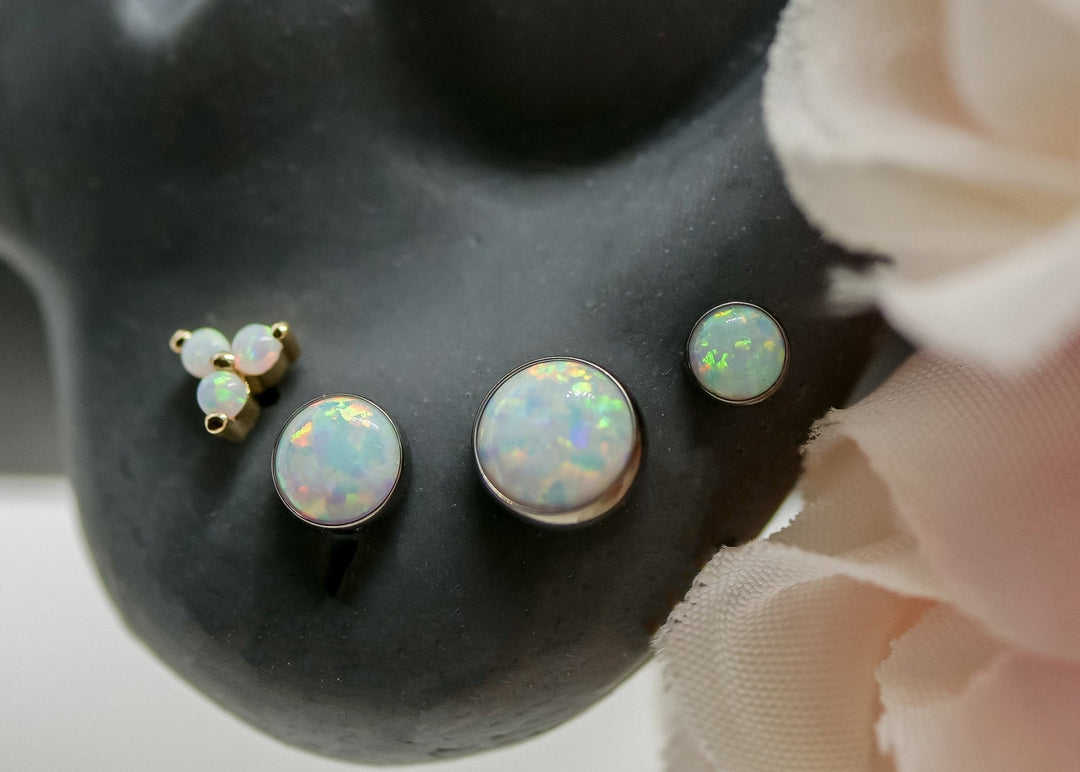
1. Micro jewelry with real impact
Tiny doesn’t mean boring anymore.
Small studs, low-profile ends, and delicate shapes are dominating because they:
-
Heal more comfortably
-
Catch less friction
-
Age better visually
-
Work in professional and casual settings
These pieces aren’t meant to scream. They’re meant to belong.
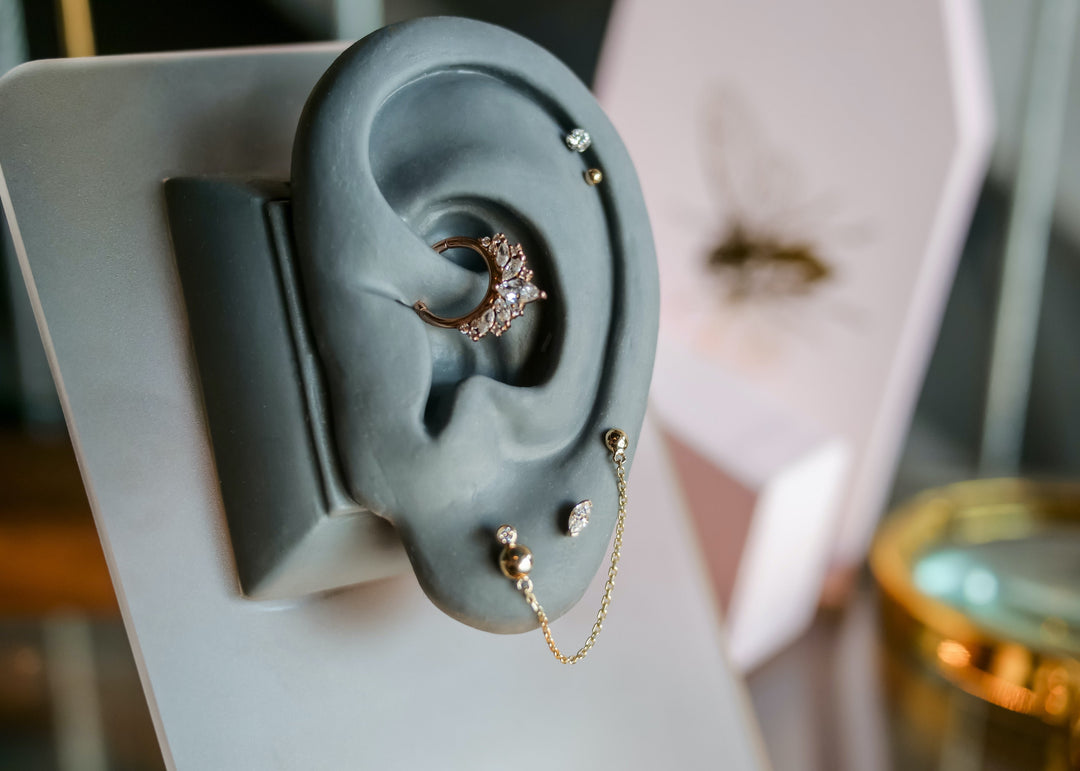
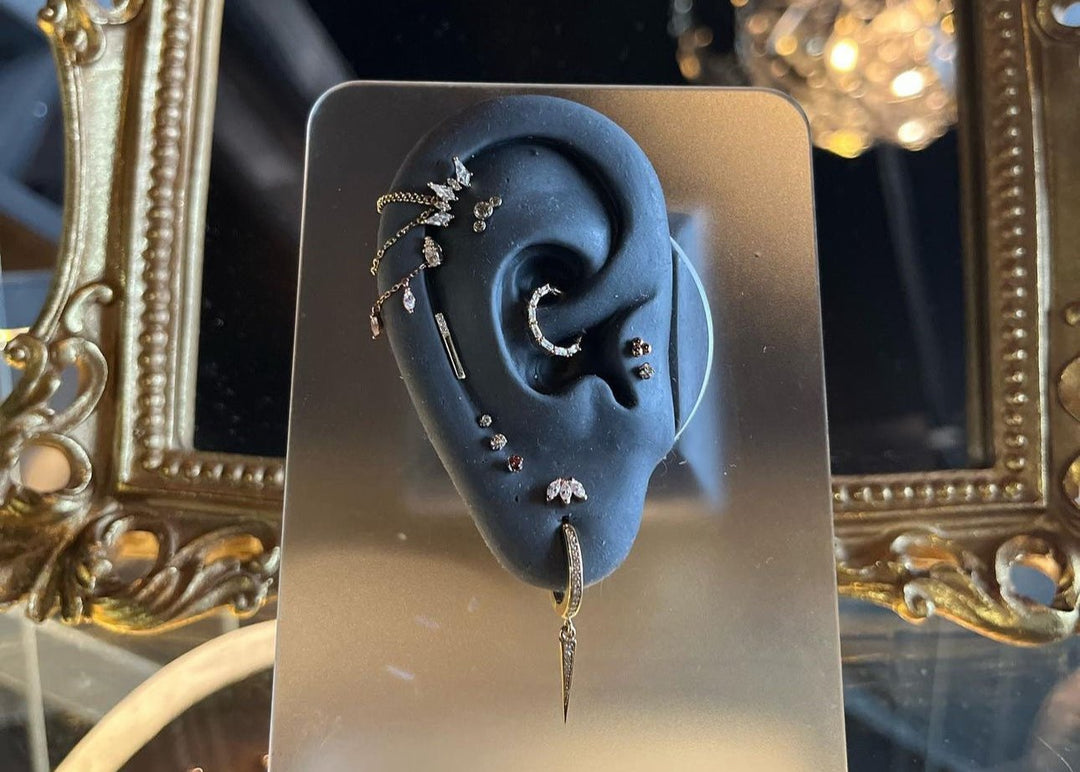
2. Curated ears with negative space
Crowded ears are giving way to spacing.
Curated ears in 2025 focus on:
-
Balance instead of symmetry
-
Anatomy-led placement
-
Letting each piercing breathe
Negative space makes jewelry look intentional rather than accumulated. One well-placed helix can carry more visual weight than three rushed piercings stacked together.
3. Facial piercings, styled quietly
Facial piercings never disappeared, but they’ve softened.
Instead of oversized rings and heavy charms, we’re seeing:
-
Slim gold nostrils
-
Subtle septum clickers
-
Low-profile philtrum and eyebrow jewelry
The trend isn’t hiding piercings. It’s integrating them into personal style instead of making them the entire statement.
4. Gold as the default, not the upgrade
Gold is no longer a “special occasion” choice.
People are choosing solid gold because it:
-
Wears well long-term
-
Looks intentional in all settings
-
Reduces irritation for many wearers
-
Doesn’t visually date as quickly as trend metals
This isn’t about status. It’s about buying once instead of replacing repeatedly.
What’s fading (slowly, but clearly)
1. Oversized statement jewelry in fresh piercings
Large, heavy pieces are still around, but people are waiting to wear them until piercings are fully healed.
The reason is practical:
-
More movement
-
More swelling
-
More irritation
Healing-first choices are winning over aesthetics-first decisions.
2. Plated metals and mystery materials
Plated jewelry is losing ground fast.
More clients now understand that:
-
Plating wears off
-
Underlying metals are often unknown
-
Irritation isn’t “just part of healing”
Material literacy is growing, and disposable jewelry is getting left behind.
3. Overcrowding without purpose
Multiple piercings done without a long-term plan are becoming less appealing.
People are asking:
-
How will this look in five years?
-
Can I restyle this later?
-
Will this heal comfortably?
Piercing is being treated more like a long-term design choice instead of an impulse.
Trends that actually age well
If you’re trying to future-proof your piercings, the trends that last tend to share a few traits:
-
Anatomy-led placement
-
High-quality materials
-
Modular jewelry systems
-
Subtle designs with flexibility
These choices adapt as your style changes instead of locking you into one era.
How to choose trends without chasing them
The most stylish piercings in 2025 aren’t the most visible ones.
They’re the ones that:
-
Heal well
-
Feel comfortable daily
-
Still make sense when trends shift
If a piercing only works because it’s trendy, it probably won’t age well. If it works because it fits your body and lifestyle, it usually will.
The real trend underneath all of this
Piercing in 2025 isn’t about reinvention.
It’s about discernment.
People are choosing:
-
Fewer piercings
-
Better jewelry
-
Longer timelines
Not because they’re playing it safe, but because they’re done wasting money and energy on things that don’t last.
That’s the trend that’s not going anywhere.