Trends are created in editorial shoots with professional lighting and models who were specifically cast for their cartilage architecture. Healing outcomes are determined by tissue biology and the specific anatomy of the person who actually got the piercing. These two things are in ongoing and unresolved conflict, and nobody in the trend cycle is particularly interested in acknowledging that.
Here is an honest accounting of the major piercing trends from the last decade or so, ranked by how reliably they actually heal on real bodies with real aftercare and real lives.
Heals beautifully and consistently: The single lobe, done correctly. This feels obvious but it's worth saying out loud because the single lobe done right — implant-grade jewelry, correct placement, appropriate gauge, proper aftercare — is one of the most reliable healing piercings you can do and its simplicity gets underestimated. The septum is here too, which surprises some people. Septums sit in connective tissue rather than cartilage, and when placed correctly in the sweet spot they heal faster and with less drama than the cartilage piercings that trended alongside them in the same period. The septum's reputation for difficulty mostly comes from badly placed septums.
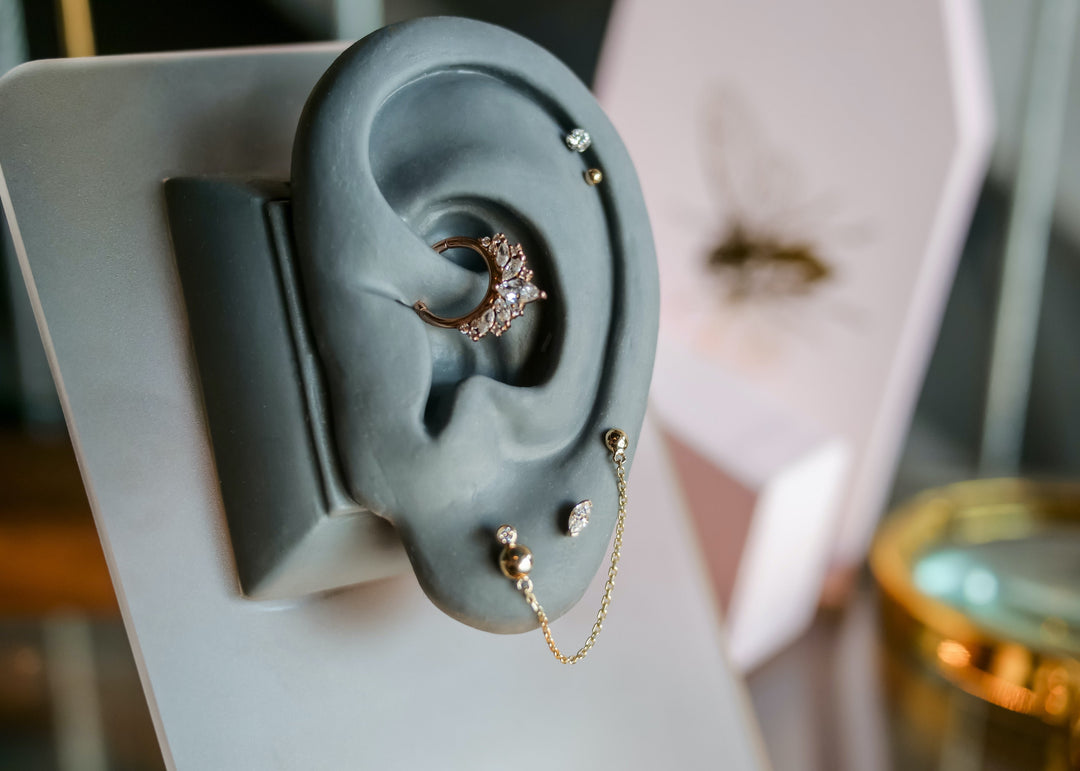
Heals well with genuine patience and correct management: The daith, the conch, the well-placed single helix. None of these are quick — cartilage healing is a 9-to-18-month project and the high end of that range is closer to accurate for most people. But healed daiths and conchs, done on appropriate anatomy with good jewelry, are among the most beautiful piercings you can have and worth the commitment. Key word is well-placed. A helix pierced through a flat, unsupported section of cartilage with a long barbell that has room to catch on everything is a different experience than a helix placed with thought and downsized at the right time.
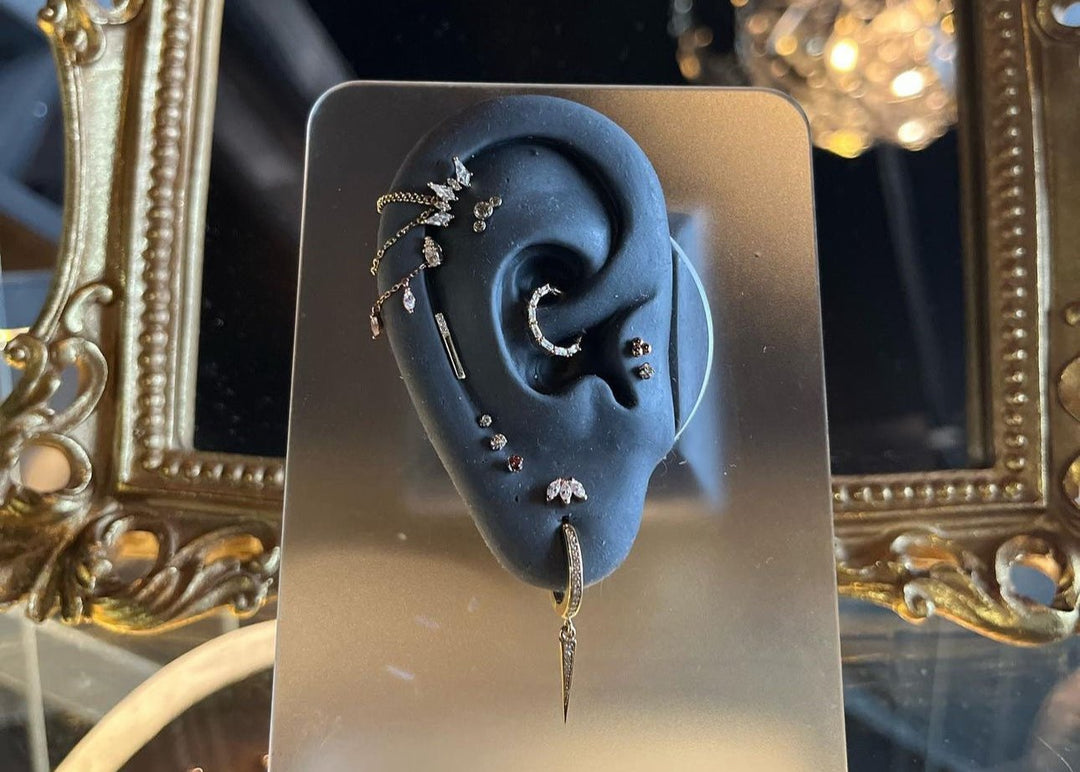
Heals with significant caveats: The rook. The rook is stunning. It's also anatomically unavailable to a meaningful percentage of the people who want it — not everyone has the defined fold that the rook requires, and you cannot manufacture cartilage structure that isn't there. When someone has good rook anatomy and it's placed well, it heals beautifully and the jewelry options are genuinely spectacular. When someone doesn't have the anatomy and it gets done anyway because they wanted it, you get a long, irritated, angry piercing that never quite settles. The forward helix cluster, which had a real cultural moment around 2016: gorgeous concept, more variable in execution than it looked in the photos that made it famous. Often ends up as two solid piercings and one that was always fighting the anatomy.
Heals badly on most people and we will be honest with you about this: surface piercings — These piercings have a genuinely high rejection rate on most anatomies — flat tissue, constant movement from daily life, no structural anchor for the jewelry. The people who keep them are outliers, not the norm. They're not impossible and we're not refusing to do them, but the success rate is not comparable to a cartilage piercing and going in pretending it is does you a disservice.
The trend cycle will keep going. Something will be everywhere next year that wasn't everywhere last year. Some of it will heal easily and some of it will be a fight on most bodies. That doesn't mean you shouldn't want what you want. It means the conversation you have before getting it should include the honest version of what you're signing up for — not the version from the inspiration photo, which was shot in ideal conditions on optimal anatomy on a person whose job it was to look perfect in that moment.